

Every dose cut, repackaged and identified
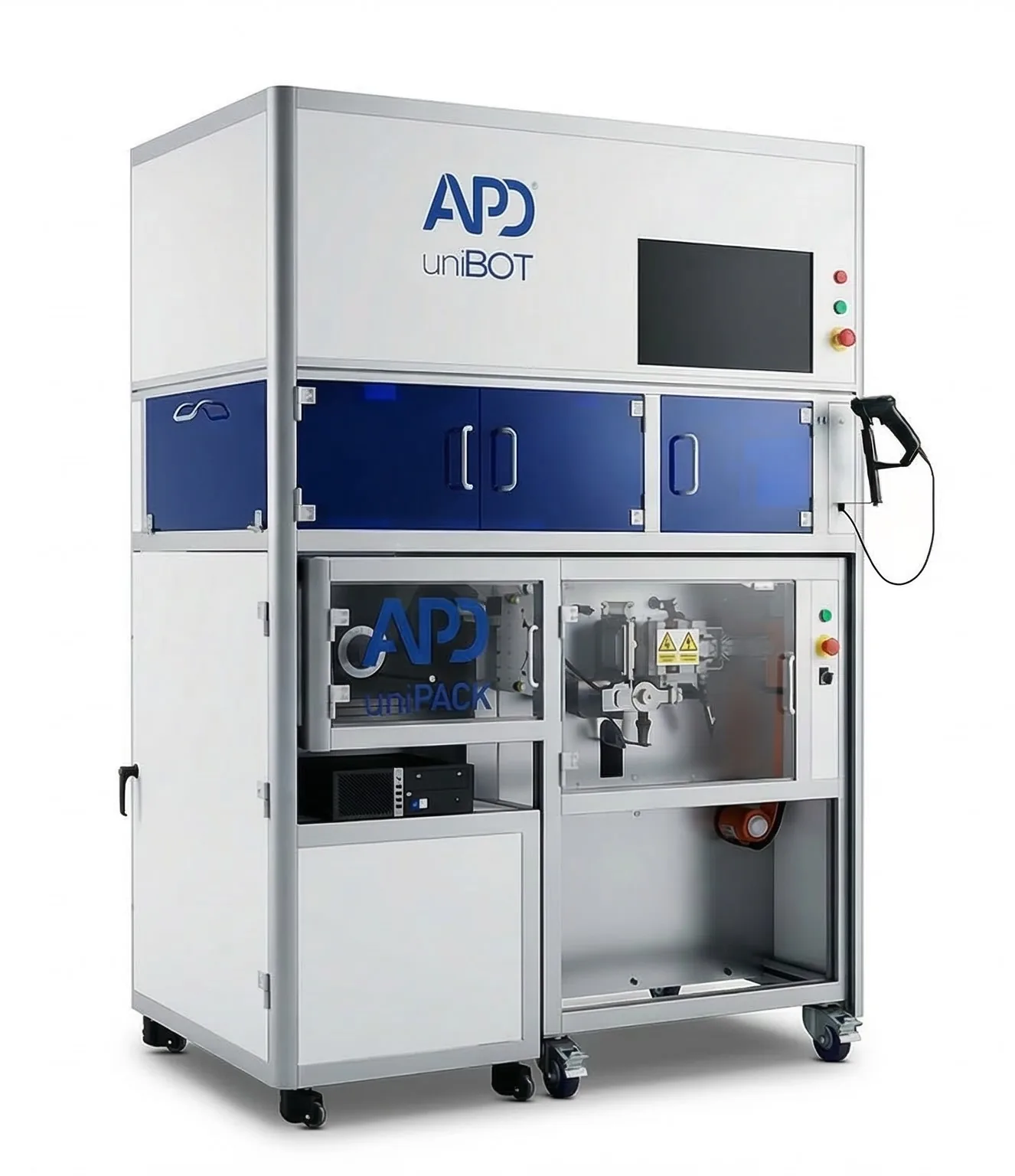
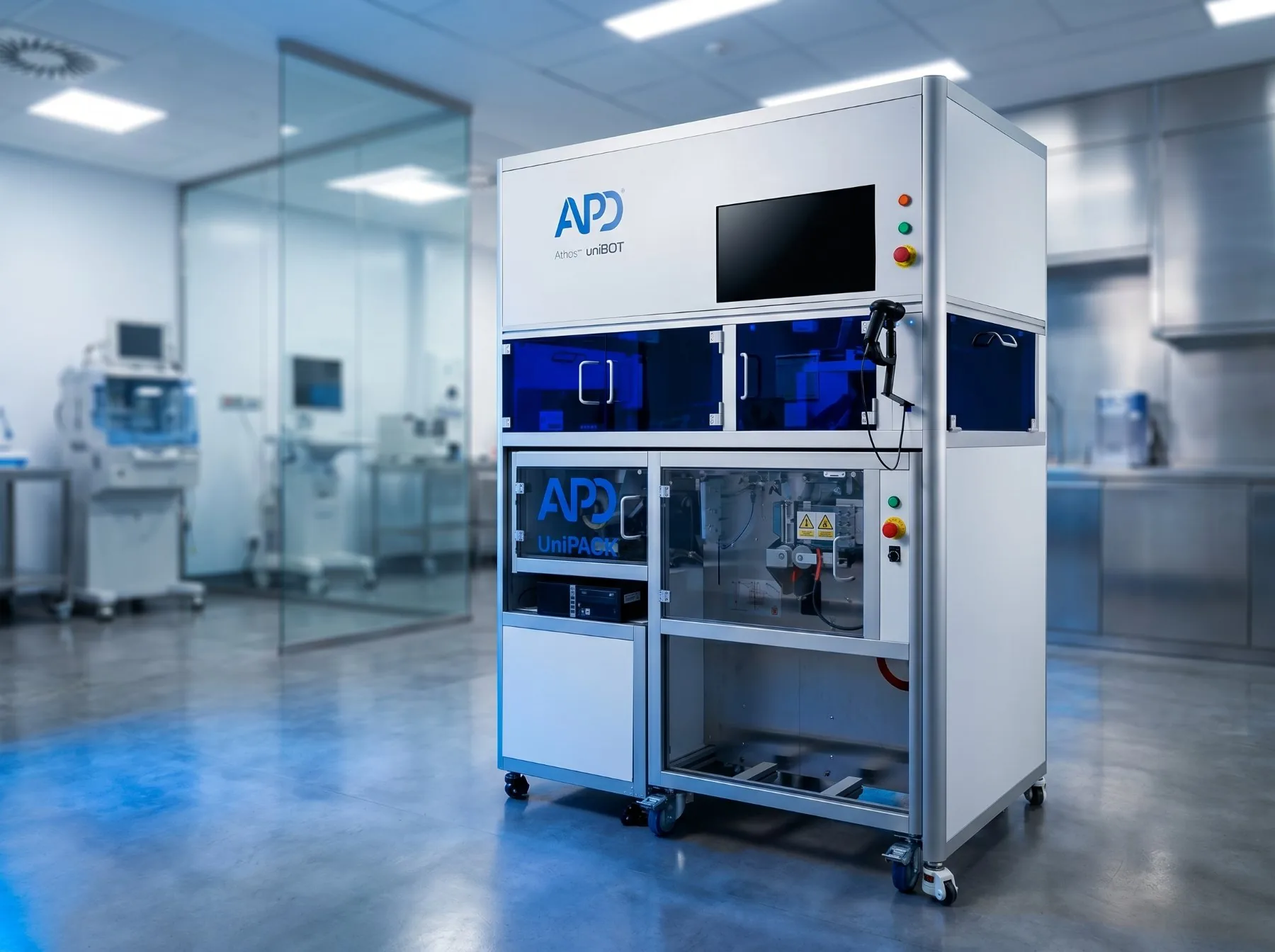
Athos™ uniBOT cuts blister packs, ampules and vials and repackages each unit dose in its own pouch, with a unique code and full process traceability.
Why Athos™ uniBOT
Repackaging by hand takes hours and leaves gaps in traceability
Manual unit-dose repackaging is one of the most labor-intensive tasks in hospital pharmacy, and a common source of identification errors when the process is not documented.
Every blister pack is cut robotically
Every dose is packaged in a pouch with its data printed on it
Every pouch carries a unique code, traceable all the way to the patient
How it works
Scan, load and collect your doses, already packaged
The operator identifies the medication and places the blister packs. Cutting, printing and packaging are automatic.

The medication pouch
Every dose comes out with its identity printed on it
The uniPACK prints the medication data on every pouch. The dose can be identified anywhere in the cycle, without relying on the original packaging.
Formats
Cuts virtually any blister pack
The five blister layouts common in hospital pharmacy. In addition to blister packs, Athos™ uniBOT cuts and repackages ampules and vials.
 Regular
 Staggered
 Chain
Chain
 Semi-rigid
 Asymmetric
What changes
Less manual work, greater patient safety
No identification errors
Every dose carries a unique code that identifies it until it is administered to the patient.
Fewer hours of manual repackaging
The hospital pharmacy team no longer has to cut and label doses by hand.
End-to-end process traceability
From scanning the box to the sealed pouch, every step is documented.
Medication ready for safe bedside administration
The doses come out in easy-to-separate strips, ready to be administered safely.
Installations
Already repackaging doses at leading hospitals
Athos™ uniBOT works in the hospital pharmacy departments of university hospitals in Madrid and Badalona.


Specifications
Cutting and repackaging in a single system
Athos™ uniBOT has Athos™ uniPACK built in: the uniBOT cuts each dose and the uniPACK prints and packages it.

Frequently asked questions
What people ask us about Athos™ uniBOT
Working with unusual pack formats?
Tell us which blister packs, ampules or vials your department repackages and we will explain how Athos™ uniBOT would handle them.
Request a consultationWhat types of packs can Athos™ uniBOT cut and repackage?
Virtually any type of blister pack, ampule and vial, in regular, staggered, chain, semi-rigid and asymmetric layouts.
How does it prevent identification errors in repackaging?
Every repackaged dose receives a unique identification code. This guarantees full traceability of the process and eliminates the risk of error when the dose is administered to the patient.
What data is printed on each pouch?
The medication name and formulation, the dose, lot, expiration date, packaging date, a 2D code, a barcode and the pouch's unique code.
What does the operator have to do?
Scan the medication box with the 1D / 2D barcode or RFID reader, enter the pouch data and place the blister packs in the loader the system assigns. Cutting, printing and packaging are automatic.
What role does Athos™ uniPACK play within the uniBOT?
It is built into the system. When the uniBOT cuts a dose, the dose drops into the uniPACK, which prints its data on the pouch and seals the dose inside. The pouches come out in strips into a box placed under the uniPACK.
How many hours does your team spend repackaging doses by hand?
Tell us what volumes and formats your hospital pharmacy repackages and we will show you how Athos™ uniBOT would work in your department.